
Who we are
Leadership Team
Elena Molokanova, PhD




Chief Executive Officer
Alex Savtchenko, PhD
Chief Science Officer
Lily Lamboy, PhD
Head of Business Development
Dr. Molokanova is a biophysicist and neuroscientist whose drug discovery research spans the biophysics of ion channels (UC Berkeley), clinical neurology studies with Parkinson's patients and Mir Space Station astronauts (Institute of Space Neurology, Austria), neuroscience drug discovery (Amgen), high-content imaging (Life Technologies), and neurodegenerative disorders (Sanford Burnham Prebys Medical Discovery Institute).

Dr. Savtchenko is a biophysicist and chemist with extensive academic and industry experience. Across institutions including Stanford University, Amgen, Affymax, Axon Instruments, and Molecular Probes, he has pioneered technologies at the intersection of physics, chemistry, and biology, including automated electrophysiology platforms, nanotechnology-based live-cell sensors, and graphene-mediated optical stimulation systems.
Dr. Lamboy is an executive with 15 years of leadership in business development, strategic partnerships, and academic translation. An expert in bridging scientific and commercial worlds to scale impact and grow mission-driven ventures, she has held academic positions at Stanford University and executive roles at Blue Shield of California, Stripe, Panasonic, and the Modern Family Institute.
Academic Collaborations
Alysson Muotri, PhD
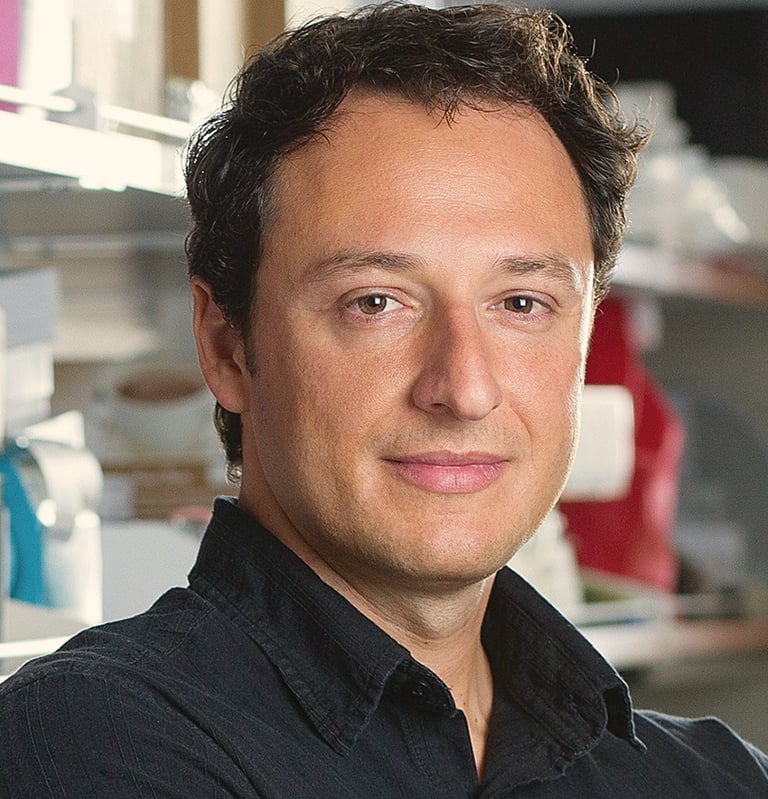


Dr. Muotri is a pioneering leader in stem cell neuroscience and brain organoid technology.
His work has produced major advances in autism, Alzheimer’s disease, and other brain disorders and has even extended to space biology experiments conducted aboard the International Space Station in collaboration with NASA. Importantly, discoveries from his organoid research have already helped identify drug candidates that advanced toward clinical testing for neurodevelopmental disorders.
Dr. Muotri’s pioneering work has been recognized with numerous honors, including the NIH Director’s New Innovator Award, the NIH EUREKA Award, the Brain & Behavior Research Foundation NARSAD Young Investigator Award, and the BrightFocus Foundation Award.
Albert La Spada, MD, PhD, FACMGG
Distinguished Professor, UC Irvine
Departments of Pathology & Laboratory Medicine, Neurology, and Chemistry
Kevin Beier, PhD
Associate Professor, UC Irvine
Department of Physiology & Biophysics
Dr. La Spada is Associate Dean for Research Development and Director, UCI Institute for Neurotherapeutics.
Dr. La Spada is a physician-scientist and has worked on neurodegenerative disease more than 30 years. La Spada has applied emerging genomics, proteomics, and metabolic techniques to the study of neurobiology and neuropathology. His research program has a significant translational and therapeutic portfolio, based upon mechanistic insights and target pathways that he identified.
Dr. La Spada has been named a Paul Beeson Physici-an-Faculty Scholar, inducted into the American Society for Clinical Investigation and the Association of American Physi-cians, bestowed with a Gund-Harrington Scholar award, and was selected for the Chan-Zuckerberg Initiative’s Neurodegeneration Challenge Network.
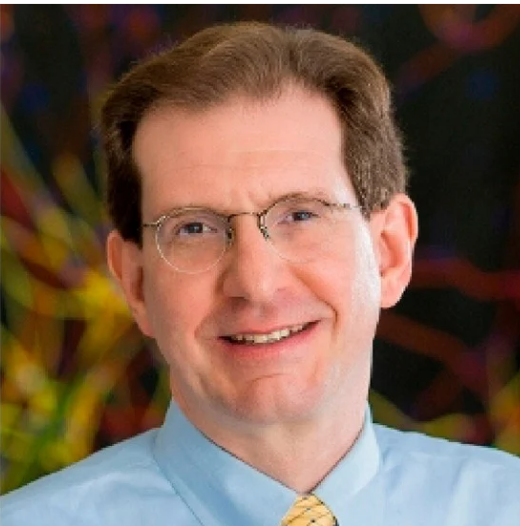
Dr. Beier is a leading expert in neural circuit mapping and the development of advanced viral-genetic tools for studying brain connectivity. His research focuses on how neural circuits underlying pain, addiction, and neurodegenerative diseases such as Alzheimer’s disease are organized and remodeled by experience.
Dr. Beier’s innovative work has been recognized with major honors, including the NIH Director’s New Innovator Award and funding from the BrightFocus Foundation, and has produced influential publications advancing our understanding of brain circuit function. His pioneering approaches to dissecting complex neural networks bring powerful capabilities to the study of disease mechanisms and the development of new therapeutic strategies.
Professor, UC San Diego
Departments of Pediatrics and Cellular and Molecular Medicine
Publications
Nanostructured Antagonist of Extrasynaptic NMDA Receptors.Nano Letters 16(9): 5495-502.
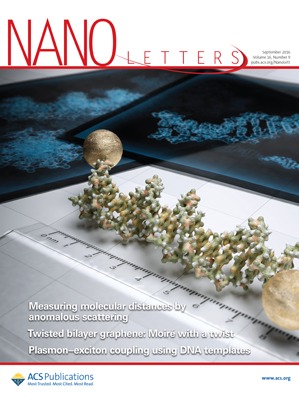
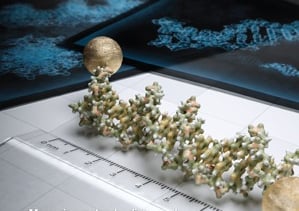
This pioneering study introduced a new strategy for selectively targeting pathological NMDA receptor signaling in the brain. The work demonstrated that rational drug design can exploit the physical architecture of synapses to achieve receptor selectivity that traditional small-molecule drugs cannot.
Key findings:
• Demonstrated that our nanotherapeutics bypass the synaptic cleft due to steric constraints.
• Selectively inhibit extrasynaptic NMDA receptors, reducing glutamatergic excitotoxicity.
• Preserve synaptic NMDA receptor function, which is essential for learning and memory.
• Protect neurons from the toxic effects of β-amyloid aggregates, a key driver of Alzheimer’s disease.
This work laid the scientific foundation for NeurANO’s nanotherpeutic platform, designed to restore balance in glutamatergic signaling across neurological disorders.
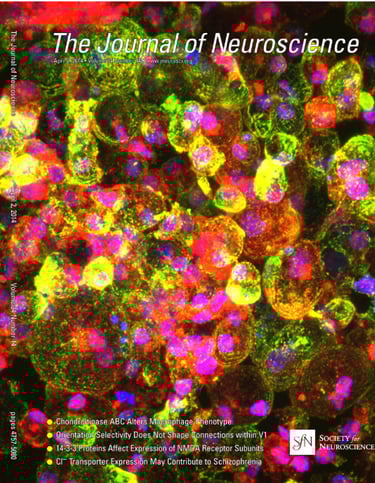
This study revealed how β-amyloid activates extrasynaptic NMDA receptor populations to trigger harmful signaling in neurons, providing important insight into the mechanisms underlying Alzheimer’s disease.
Key Findings
• β-amyloid selectively activates extrasynaptic NMDA receptors in cortical neurons.
• This activation triggers excessive nitric oxide production, leading to neuronal stress and toxicity.
• Synaptic NMDA receptors show a distinct, protective signaling role.
• These results highlight extrasynaptic NMDA receptors as key drivers of Aβ-induced neurotoxicity and a promising therapeutic target.
Differential Effects of Synaptic and Extrasynaptic NMDA Receptors on Aβ-Induced Nitric Oxide Production in Cerebrocortical Neurons. J. Neuroscience 34 (14): 5023-5028
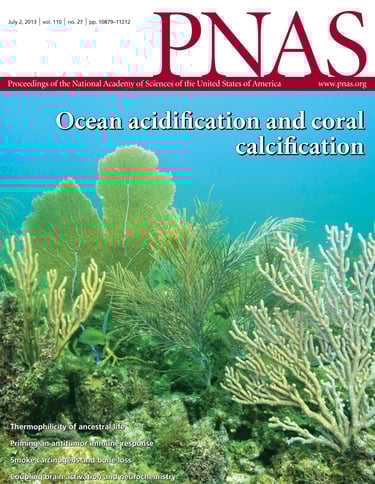
Aβ induces astrocytic glutamate release, extrasynaptic NMDA receptor activation, and synaptic loss. Proc Natl Acad Sci U S A. 2013 Jul 2;110(27):E2518-27.
This study uncovered a key mechanism linking β-amyloid accumulation to synaptic degeneration in Alzheimer’s disease. The work demonstrated that Aβ disrupts neuron–astrocyte communication, triggering glutamate release from astrocytes that activates extrasynaptic NMDA receptors and drives synaptic loss.
Key findings
• β-amyloid stimulates astrocytes to release glutamate, increasing extracellular glutamate levels.
• The released glutamate preferentially activates extrasynaptic NMDA receptors in neurons.
• This signaling cascade leads to loss of synaptic connections, a hallmark of Alzheimer’s disease.
• The results identify astrocyte-driven activation of extrasynaptic NMDA receptors as a key pathway linking Aβ accumulation to synaptic degeneration.
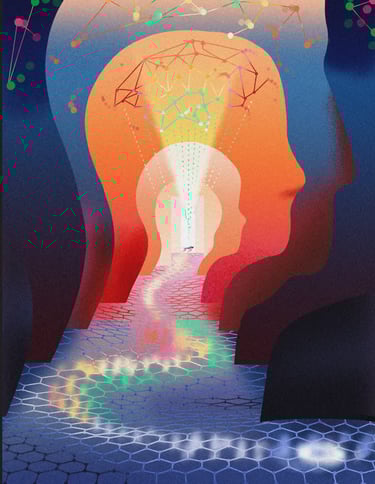
Non-genetic neuromodulation with graphene optoelectronic actuators for disease models, stem cell maturation, and biohybrid robotics. Nature Communications (2025) 16, 7499
This work introduced a novel graphene-based optoelectronic platform for non-genetic control of neuronal activity, enabling precise stimulation of neurons without the need for genetic modification. The technology provides a powerful new approach for modulating neural circuits in human stem-cell–derived neuronal models, offering new opportunities to study disease mechanisms and accelerate therapeutic discovery.
Key findings
• Demonstrated light-driven neuromodulation using graphene optoelectronic actuators, enabling precise control of neuronal activity without genetic engineering.
• Showed that this approach can promote maturation of human stem-cell–derived neurons, improving the physiological relevance of in-vitro disease models.
• Opened new possibilities for biohybrid systems and advanced neuroengineering applications.
• Established a versatile platform for studying neurological disease mechanisms, including applications in Alzheimer’s disease human cell models for predictive drug discovery.


Contact
business@neuranobio.com
Copyright © 2026
All Rights Reserved. All content on this website is protected by copyright law. You may not reproduce or distribute any part of this content without the written permission of NeurANO Bioscience